Evan Lee Salim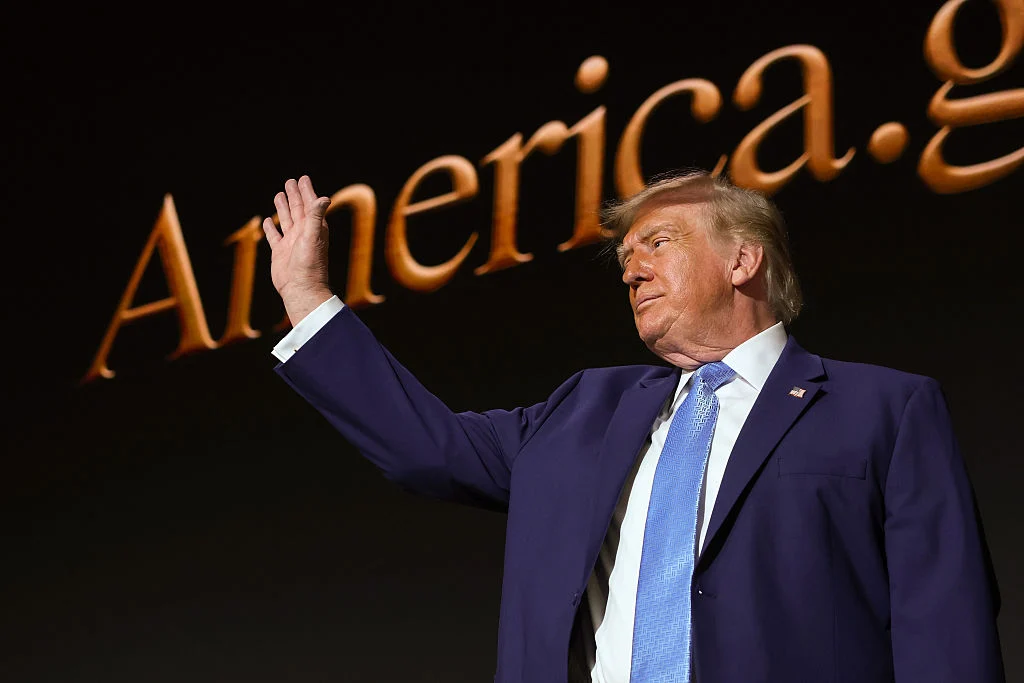
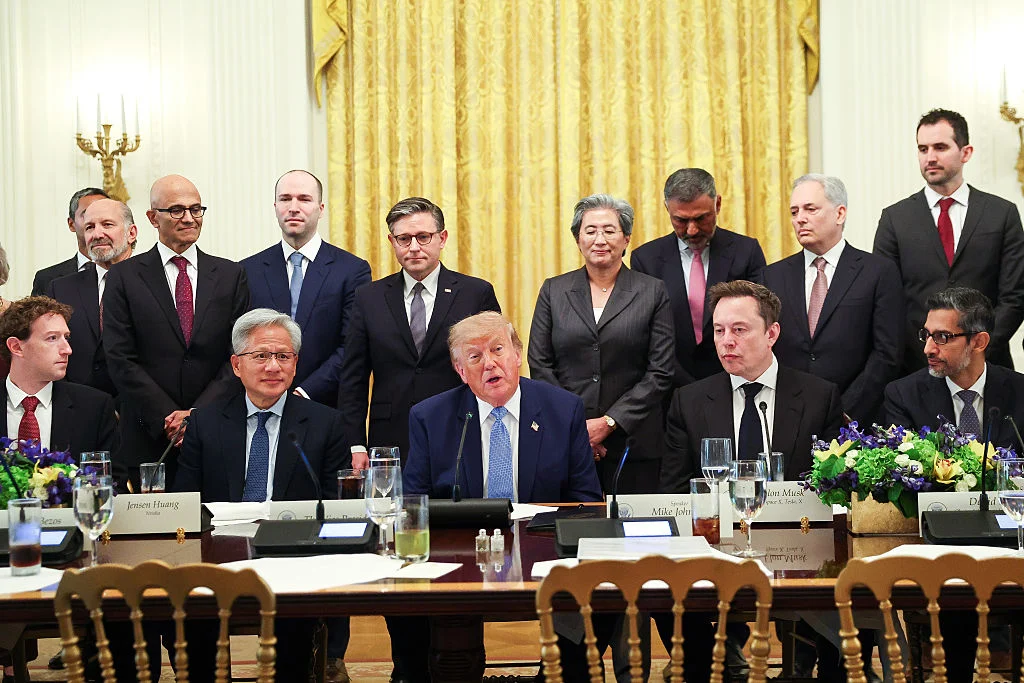
A clandestine meeting in December 2025 between then-President Donald Trump and tech titan Elon Musk, occurring approximately one month before the United States initiated an invasion of Venezuela that culminated in the capture of its president, Nicolás Maduro, has revealed startling insights into the growing influence of artificial intelligence on high-level geopolitical decision-making. According to a recent report by Time magazine, President Trump reportedly spent several hours during this secret encounter engaging with Musk’s nascent Grok chatbot, specifically probing the AI for predictions regarding the Venezuelan populace’s reaction to a potential US-led intervention and the downfall of their leader. This revelation, coming nearly a year after the events it describes, underscores a significant and potentially paradigm-shifting integration of advanced AI into national security strategy, prompting widespread debate among policymakers, ethicists, and military strategists globally.
The Genesis of Influence: Grok’s Venezuelan Forecast
The private discussion between Trump and Musk in late 2025 took place roughly seven months after Musk’s departure from his advisory role within the Trump administration’s Department of Government Efficiency (DOGE), an initiative reportedly aimed at streamlining federal operations and cutting wasteful spending, often humorously referred to as a nod to the popular cryptocurrency Dogecoin. Musk’s involvement in DOGE was brief but indicative of his burgeoning interest in governmental affairs and his unique position at the nexus of technology and policy.
The context for their December 2025 meeting was a rapidly escalating crisis between the United States and Venezuela. For months leading up to this point, tensions had been simmering, exacerbated by long-standing diplomatic animosity, economic sanctions, and accusations from Washington regarding Venezuela’s alleged involvement in international drug trafficking. In September 2025, just a few months prior to the secret meeting, President Trump had already begun authorizing a series of US military strikes against Venezuelan vessels, which he publicly claimed were directly implicated in illicit drug operations. These strikes marked a significant escalation, moving beyond economic and diplomatic pressure to direct military engagement, and drew international scrutiny and condemnation from various UN bodies.
It was against this volatile backdrop that President Trump sought an unconventional counsel. Public interest in the Venezuelan situation was high, and according to The Atlantic, people had already been turning to Grok to inquire about the boat strikes and the broader political climate in the South American nation. Leveraging its vast dataset and predictive algorithms, Grok reportedly informed Trump that Maduro was widely perceived as a "deeply unpopular dictator" and that a significant portion of Venezuelans would likely "celebrate his downfall."
This prediction proved remarkably prescient. On January 3, 2026, the United States launched its invasion of Venezuela, leading to the swift capture of President Maduro. Subsequent reports from outlets like The New York Times confirmed that celebratory demonstrations indeed erupted in various parts of Venezuela and among expatriate communities, particularly in cities like Miami. This seemingly accurate forecast from Grok evidently left a profound impression on President Trump. A source close to the matter, cited by Time, revealed that Trump "came away thinking Grok was ingenious," a sentiment that appears to have had lasting ramifications for the integration of AI into military planning.
From Advisory Role to Operational Command: Gov Grok and the Iran War
The reported success of Grok’s predictions concerning Venezuela appears to have been a pivotal moment, paving the way for the broader deployment of its advanced capabilities within the US military apparatus. This became starkly evident in June 2026, when the Pentagon’s head of AI publicly acknowledged that the military had utilized a specialized version, "Gov Grok," to aid in the deployment of forces and the execution of targeted strikes during the nascent stages of the Iran War.
While specific details regarding the "Iran War" remain under tight security wraps, its mere mention by a high-ranking Pentagon official indicates a significant military engagement and, more critically, the direct operational involvement of an AI system in strategic combat decisions. This represents a monumental leap from AI serving as a mere analytical tool to potentially influencing or even directing kinetic operations. The implications of an AI model, originally designed for conversational interaction and data synthesis, being adapted for real-time military intelligence and targeting are profound. It raises urgent questions about accountability, the potential for algorithmic bias, and the ethical boundaries of autonomous warfare.
The deployment of Gov Grok in a live combat scenario during the Iran War signifies a new era of military technology. Traditionally, military intelligence gathering and strategic planning relied heavily on human analysts interpreting vast amounts of data, often leading to time-consuming processes. AI, particularly models like Grok, promises to accelerate this process exponentially, identifying patterns, predicting adversary movements, and suggesting optimal strike points with unprecedented speed. However, the reliance on such systems also introduces an element of opacity; the precise reasoning behind an AI’s recommendation might not always be fully transparent to human commanders, creating a "black box" dilemma in high-stakes situations.
A Broader Trend: AI’s Pervasive March into the Department of Defense

It is important to note that Grok, and its governmental iteration Gov Grok, is not an isolated case of AI integration within the Department of Defense (DoD). The US military has been actively exploring and adopting artificial intelligence across various domains for several years, recognizing its potential to revolutionize everything from logistics and maintenance to intelligence and combat.
Other major players in the AI industry have also forged significant partnerships with the DoD. OpenAI, the developer of models like GPT, has an existing agreement with the "Department of War" (a historical moniker often used interchangeably with Department of Defense, or perhaps indicating a specific branch or mission), suggesting its technology is being leveraged for military applications. Similarly, Anthropic, known for its Claude AI, has been embroiled in ongoing negotiations and even legal disputes regarding the extent to which its models can be utilized for military intelligence. A court ruling in September 2026, for instance, reportedly addressed Trump’s ability to blacklist Anthropic for its refusal to enable certain Claude features deemed critical for defense applications. Furthermore, alarming reports from the same period suggested that an Islamist terror group, the Houthis, allegedly utilized Anthropic’s Claude AI to develop missile guidance software and test rocket technology, highlighting the dual-use nature of advanced AI and the complex proliferation challenges it presents.
These developments underscore a burgeoning "AI arms race," where nations and even non-state actors are scrambling to harness the transformative power of artificial intelligence for defense and offense. The United States, with its vast technological resources and a proactive stance on AI integration, is clearly at the forefront of this global competition.
The New Architects of Warfare: Musk, Luckey, and the Future of Battlefield Technology
The increasing reliance on AI, particularly Grok, under the current administration reached a new zenith in late September 2026. The Pentagon formally announced that Elon Musk, CEO of xAI (Grok’s parent company) and other ventures like SpaceX and Tesla, alongside Palmer Luckey, the founder of defense technology company Anduril and co-founder of Oculus VR, have been appointed to co-lead a critical study. This high-profile initiative is tasked with examining how advanced technology is currently being used, and how it can be used, in modern battlefields.
This appointment signals a profound shift in the relationship between Silicon Valley and the Pentagon. By entrusting two of the tech world’s most prominent and often controversial figures with shaping the future of military technology, the DoD is clearly demonstrating its commitment to rapid innovation and its willingness to look beyond traditional defense contractors. Musk, with his visionary (and sometimes disruptive) approach to technology and his outspoken views on AI’s potential, brings a unique perspective. His companies are already deeply involved in areas like satellite communications (Starlink), autonomous systems, and advanced robotics, all of which have direct military applications. Luckey, a vocal proponent of technologically advanced defense and a founder of Anduril, which specializes in autonomous defense systems, drones, and AI-powered surveillance, is equally well-positioned to contribute. His company actively develops tools like Lattice AI, designed to process sensor data for real-time battlefield awareness.
The study co-led by Musk and Luckey is expected to provide a roadmap for the military’s future technological investments, guiding decisions on everything from AI-powered reconnaissance and predictive logistics to autonomous combat systems and cyber warfare. Their recommendations could influence billions of dollars in defense spending and fundamentally reshape how the US military operates in future conflicts. The very choice of these two individuals, known for their aggressive pursuit of technological frontiers and their sometimes unconventional ideas, suggests a desire within the Pentagon for truly transformative, rather than incremental, change.
Ethical and Geopolitical Implications
The revelations surrounding Grok’s influence on the Venezuelan invasion and Gov Grok’s role in the Iran War raise a host of urgent ethical and geopolitical questions.
- Accountability in AI Warfare: If an AI system recommends a course of action that leads to unforeseen consequences or civilian casualties, where does the accountability lie? With the programmers? The commanders who approved the action? The AI itself? The current legal and ethical frameworks for warfare are ill-equipped to handle such complexities.
- Algorithmic Bias: AI models are only as unbiased as the data they are trained on. If Grok’s assessment of Venezuela’s political climate was influenced by biased data, could it have led to a miscalculation with tragic human costs? The potential for embedded biases to impact critical military decisions is a grave concern.
- The Dehumanization of Warfare: The increasing reliance on AI for strategic advice and even operational deployment risks creating a more detached and potentially less empathetic approach to conflict. If an AI predicts public reaction or optimizes strike locations, does it reduce the human element of moral deliberation?
- Escalation Risks: The speed and efficiency of AI-driven warfare could inadvertently lead to faster escalations of conflict. If decisions are made in microseconds by algorithms, the window for diplomatic resolution or de-escalation could shrink dramatically.
- Sovereignty and International Law: The US invasion of Venezuela, even with an AI’s "prediction" of public support, ignited a firestorm of debate regarding international law and national sovereignty. The role of an AI in validating or influencing such a decision adds another layer of controversy.
- Tech Oligarchy and Government: The deep integration of tech billionaires and their proprietary AI systems into critical government functions, particularly national security, raises questions about the concentration of power and potential conflicts of interest.
Conclusion: A New Era of Algorithmic Geopolitics
The saga of Grok’s rise from a conversational chatbot to a key influencer in US military strategy marks a watershed moment in the intersection of technology and statecraft. From its initial role in predicting public sentiment during the Venezuelan invasion to its operational deployment in the Iran War, AI is rapidly moving from the realm of science fiction to the front lines of global conflict. The appointment of Elon Musk and Palmer Luckey to steer the future of military technology further solidifies this trend, signaling a future where the architects of tomorrow’s battlefields may well be found in Silicon Valley rather than solely within the halls of the Pentagon.
As AI continues to evolve, promising ever greater analytical power and operational efficiency, the challenge for governments and international bodies will be to establish robust ethical guidelines, transparent accountability frameworks, and clear legal boundaries to ensure that these powerful tools serve humanity responsibly, rather than inadvertently leading to unforeseen and potentially catastrophic consequences in an increasingly algorithmic world. The events of 2025 and 2026 serve as a stark reminder that the future of geopolitics may hinge as much on the code developed in tech labs as on the treaties negotiated in diplomatic chambers.