Vera Intan Clara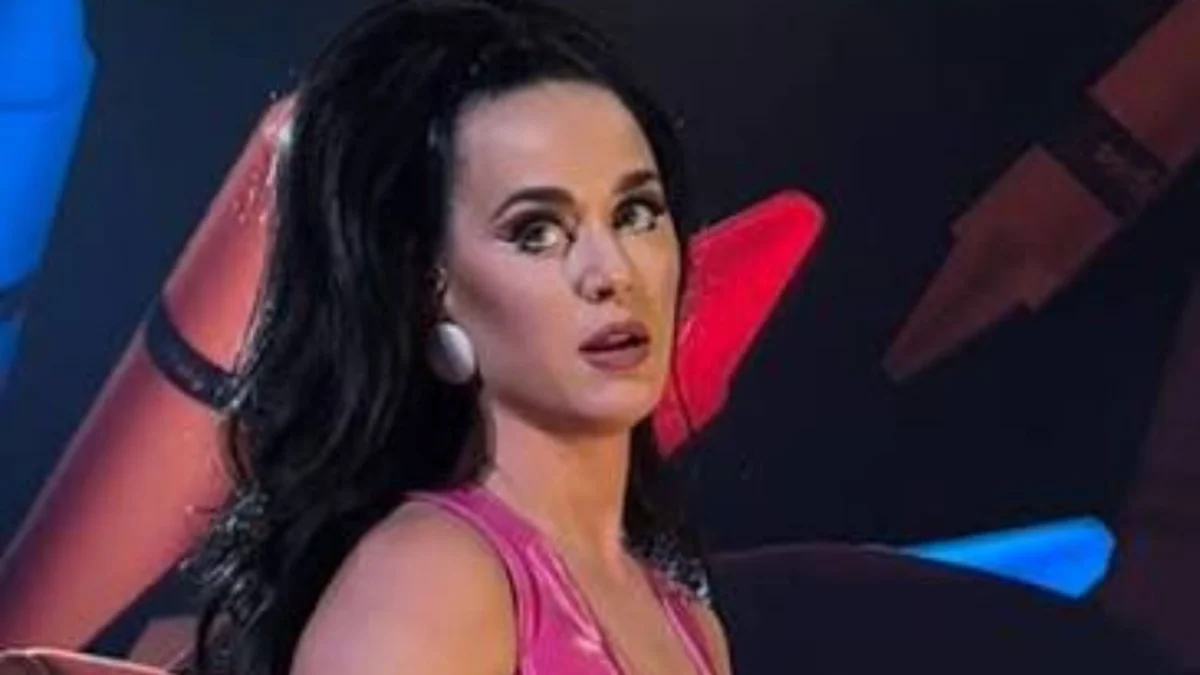
A recent post on the r/Fauxmoi subreddit, a popular forum for celebrity gossip and pop culture discourse, brought renewed attention to Katy Perry’s May 2017 appearance on Saturday Night Live. The performance, which saw Perry sing her track "Swish Swish" from her fifth studio album Witness, gained notoriety for its inclusion of Russell Horning, widely known as the Backpack Kid, performing his distinctive "flossing" dance. The post quickly resonated with users, accumulating over 5,800 upvotes and approximately 1,050 comments as of publication, as participants collectively recalled a range of bizarre and unforgettable spectacles from the internet era.
The Unforgettable "Swish Swish" Performance
Katy Perry’s performance of "Swish Swish" on the 42nd season finale of Saturday Night Live on May 20, 2017, was intended to be a high-energy promotion for her then-upcoming album, Witness. The album marked a significant shift in Perry’s musical style, moving away from the more whimsical pop of her earlier work towards a more experimental, electronic sound. The SNL appearance was part of a broader promotional blitz that included a 72-hour live stream titled Katy Perry Live: Witness World Wide, which garnered considerable media attention.
During the "Swish Swish" segment, Perry was joined by a diverse ensemble of drag queens and, most notably, Russell Horning. Horning, then a teenager, had achieved viral fame earlier that year through his unique arm-swinging dance, dubbed "the floss," which he often performed with a backpack on. His appearance on SNL, however, was met with a mixed reaction. Dressed in his signature grey shirt and backpack, Horning performed his stiff-armed dance with an almost detached expression, which many viewers interpreted as awkward or unenthusiastic. The stark contrast between Perry’s vibrant, theatrical stage presence and Horning’s seemingly indifferent demeanor created a memorable, if somewhat unsettling, visual juxtaposition. One Reddit commenter encapsulated the sentiment of many, writing, "This is upsetting. Take it back."
The performance became an instant talking point, with critics and fans alike debating its artistic merit and cultural impact. While some praised Perry for embracing internet culture and giving a platform to a viral sensation, others found the inclusion of Horning jarring and symptomatic of a broader trend of integrating internet memes into mainstream entertainment in ways that often felt forced or out of place. The Witness album itself received a generally lukewarm critical reception, and the SNL performance became an emblematic moment in its promotional cycle, symbolizing both the ambition and the perceived missteps of Perry’s creative direction at the time.
A Collective Trip Down Memory Lane: The Rise of Internet Culture’s "Fever Dreams"
The r/Fauxmoi thread specifically invited users to identify moments that, in hindsight, seemed almost too surreal to be true, reflecting a collective nostalgia for the early, wilder days of internet culture. The ensuing discussion painted a vivid picture of a period characterized by rapid viral phenomena, the blurring of lines between reality and entertainment, and an emerging digital landscape where the bizarre often overshadowed the conventional.
The thread’s strong engagement underscores a growing fascination with the recent past of digital culture, as users reflect on how quickly trends emerge, peak, and recede into the annals of internet memory. These "fever-dream" moments often share common characteristics: they were frequently propelled by social media before the dominance of platforms like TikTok, they often involved public figures in unconventional or controversial situations, and they left a lasting, albeit sometimes bewildering, impression on the collective consciousness.
Echoes of Chaos: Other Unforgettable Pop Culture Moments
The Reddit discussion quickly expanded beyond Katy Perry, with users recalling a litany of other chaotic and bizarre events that defined the late 2000s and 2010s. These recollections highlight the diverse nature of internet-driven cultural phenomena, spanning celebrity mishaps, reality television oddities, and political absurdities.
The Balloon Boy Saga (October 2009): One prominent memory was the "Balloon Boy" incident, a bizarre media spectacle that unfolded on October 15, 2009. Richard and Mayumi Heene, a couple from Fort Collins, Colorado, claimed their six-year-old son, Falcon, had floated away in a homemade helium balloon. The incident triggered a massive search and rescue operation, capturing national and international media attention as news helicopters tracked the silver balloon across the Colorado sky. The event culminated in the dramatic discovery that Falcon had been hiding in the family’s attic the entire time. Subsequent investigations revealed the entire incident was a hoax, allegedly orchestrated by the Heenes for publicity. The parents later pleaded guilty to charges related to the deception, with Richard Heene serving 90 days in jail. The saga became a cautionary tale about the sensationalism of reality television and the lengths some would go to achieve fleeting fame.
The Era of "Weird TLC Shows": Commenters also referenced the proliferation of "weird TLC shows" during this period. The cable network, originally known as "The Learning Channel," underwent a significant rebranding in the 2000s, shifting its focus to reality programming that often highlighted unusual lifestyles, extreme behaviors, or sensational personal stories. Shows like My Strange Addiction, which profiled individuals with compulsive and often dangerous habits (e.g., eating toilet paper, glass, or cat fur), and Here Comes Honey Boo Boo, a spin-off of Toddlers & Tiaras that followed the unconventional family life of child pageant contestant Alana Thompson, epitomized this trend. These programs sparked widespread debate about exploitation, ethical boundaries in television, and the voyeuristic nature of reality TV, yet they consistently drew large audiences, reflecting a societal fascination with the peculiar.
Winona Ryder’s Saks Fifth Avenue Incident (December 2001): Another memory that resurfaced was Winona Ryder’s shoplifting arrest. On December 12, 2001, the acclaimed actress was apprehended at the Saks Fifth Avenue department store in Beverly Hills, California, for stealing designer clothing and accessories valued at approximately $5,500. The incident sent shockwaves through Hollywood and the public, given Ryder’s established career and image as a beloved star. Her subsequent trial in 2002 was a media circus, with detailed accounts of her actions and a dramatic courtroom performance. Ryder was ultimately convicted of grand theft and vandalism, receiving three years’ probation, community service, and a fine. The event significantly impacted her career, leading to a temporary hiatus from acting, but she later made a successful comeback, demonstrating the industry’s capacity for redemption.
Heidi Montag’s "Superficial" Music Video (January 2010): The discussion also touched upon Heidi Montag’s music career, particularly her 2010 music video for the song "Superficial." Montag, who rose to fame on the MTV reality series The Hills, embarked on a short-lived and widely criticized music career after undergoing extensive plastic surgery. The "Superficial" video, a high-budget production that featured Montag in various extravagant outfits and settings, was largely panned by critics and the public for its perceived lack of artistic merit and self-awareness. It became an ironic symbol of reality TV stars attempting to transition into other entertainment ventures, often with limited success, and highlighted the intense scrutiny and often harsh judgment faced by those in the public eye.
The Gawker-Hulk Hogan Legal Saga (2012-2016): The complex and far-reaching legal battle between Gawker Media and wrestling icon Hulk Hogan (Terry Bollea) was also recalled. The saga began in 2012 when Gawker published a portion of a sex tape featuring Hogan, citing newsworthiness. Hogan subsequently sued Gawker for invasion of privacy. The case, which went to trial in 2016, became a landmark legal battle concerning privacy rights, freedom of the press, and the financial vulnerabilities of digital media outlets. Hogan was awarded a staggering $140 million in damages, a verdict that ultimately led to Gawker Media’s bankruptcy and the sale of its assets. The lawsuit, secretly funded by Silicon Valley billionaire Peter Thiel, raised significant questions about journalistic ethics, the power of wealthy individuals to influence the media landscape, and the future of investigative reporting in the digital age.
The Katy Perry Phenomenon and Other Viral Moments
One Reddit user specifically pointed out, "So many Katy Perry moments," underscoring her consistent presence in the pop culture landscape with a string of highly theatrical performances and public appearances that often bordered on the surreal. From her Super Bowl XLIX halftime show in 2015, featuring the viral "Left Shark," to her elaborate Met Gala ensembles, Perry has consistently pushed the boundaries of pop artistry, often resulting in moments that are both celebrated and widely scrutinized. The comment about her "Swish Swish" costume, "Wait why did I think this was pink?" further illustrates the hazy, dreamlike quality these distant memories now possess.
"NANCY JO. THIS IS ALEXIS NEIERS." (2010): A particularly iconic viral moment cited was the infamous phone call between journalist Nancy Jo Sales and Alexis Neiers. Neiers was a central figure in "The Bling Ring" story, a group of teenagers who burglarized the homes of celebrities in Los Angeles between 2008 and 2009. Sales, reporting for Vanity Fair, interviewed Neiers for an article about the group. During a heated phone call, Neiers, upset with Sales’s portrayal of her, famously yelled, "NANCY JO. THIS IS ALEXIS NEIERS. I’M GOING TO CALL YOU BACK. I’M GOING TO DO IT." The outburst, recorded and later widely circulated online, became a defining meme of the era, illustrating the raw, unscripted drama that reality television and early internet culture could produce. It highlighted the evolving relationship between traditional journalism and the nascent world of celebrity internet fame, where private moments could instantly become public spectacles.
The Dawn of Mass Digital Gatherings and Live Event Shockwaves
The thread also served as a reminder of a pre-TikTok social media landscape, where different platforms and phenomena dominated public attention.
Pokémon GO’s Global Frenzy (July 2016): The launch of the augmented reality mobile game Pokémon GO in July 2016 was another watershed moment. The game, which allowed players to "catch" virtual Pokémon in real-world locations using their smartphone cameras, became an overnight global phenomenon. It prompted millions of people worldwide to venture outdoors, often gathering in large crowds at parks, landmarks, and public spaces in pursuit of rare digital creatures. Commenters recalled the surreal sight of thousands of New Yorkers congregating around Central Park, captivated by their phones. "Living in NYC was insane," one user wrote, capturing the unprecedented social impact of the game. Pokémon GO not only shattered mobile gaming records but also demonstrated the immense potential of augmented reality and the power of digital experiences to influence real-world behavior, albeit sometimes leading to safety concerns and public disturbances.
The Will Smith-Chris Rock Oscars Slap (March 2022): More recently, the discussion brought up the shocking incident at the 94th Academy Awards on March 27, 2022, when actor Will Smith slapped comedian Chris Rock on stage. Rock had made a joke about Smith’s wife, Jada Pinkett Smith, prompting Smith to walk onto the stage and strike him. The moment, broadcast live to millions globally, initially caused confusion, with many viewers and attendees believing it was a pre-planned comedic bit. "One user said the slap initially appeared to be a comedy bit before the audience realized it was real," reflecting the collective disbelief. The gravity of the situation quickly became apparent, leading to widespread condemnation, intense public debate about violence, comedic boundaries, and celebrity accountability. The Academy of Motion Picture Arts and Sciences later banned Smith from the Oscars for 10 years. The incident became a prime example of how quickly live events can unravel and create lasting cultural shockwaves. Comments also referenced Diddy attempting to smooth things over in the immediate aftermath, and a "her reaction lol" comment likely referring to Jada Pinkett Smith’s facial expression during the joke.
Political Absurdity and the Blurring of Reality
Finally, the thread also ventured into the realm of political absurdity, highlighting how deeply intertwined politics and internet culture had become.
Rudy Giuliani’s Four Seasons Total Landscaping Press Conference (November 2020): A particularly surreal event was Rudy Giuliani’s press conference on November 7, 2020. As legal counsel for then-President Donald Trump, Giuliani held a press conference to discuss alleged voter fraud in the wake of the 2020 presidential election. The location, however, was not a grand ballroom or a government building, but rather the parking lot of Four Seasons Total Landscaping, a small landscaping business nestled between a crematorium and an adult bookstore in Northeast Philadelphia. The bizarre choice of venue, coupled with Giuliani’s impassioned and often unsubstantiated claims, created an instant internet meme and a moment of profound political theater. One commenter called it a "favorite moment that people rarely mention," while another described it as a defining point where "American politics and internet culture collided." The incident encapsulated a period of heightened political tension and the increasingly surreal nature of public discourse, where even serious political statements could be overshadowed by their absurd presentation.
Conclusion: The Tapestry of Collective Memory
The Reddit thread, with its rich tapestry of celebrity scandals, political mishaps, viral trends, and cultural oddities, serves as a powerful testament to the internet’s role in shaping and preserving collective memory. These "fever-dream" moments, once fleeting news cycles or viral sensations, now form a peculiar timeline of cultural chaos, reflecting how rapidly the digital landscape has evolved and how our understanding of reality, entertainment, and public figures has been fundamentally reshaped. The continuous revisiting of these events underscores a universal human tendency to make sense of the past, even when that past seems, in retrospect, almost impossible to believe.