Metty Iskandar
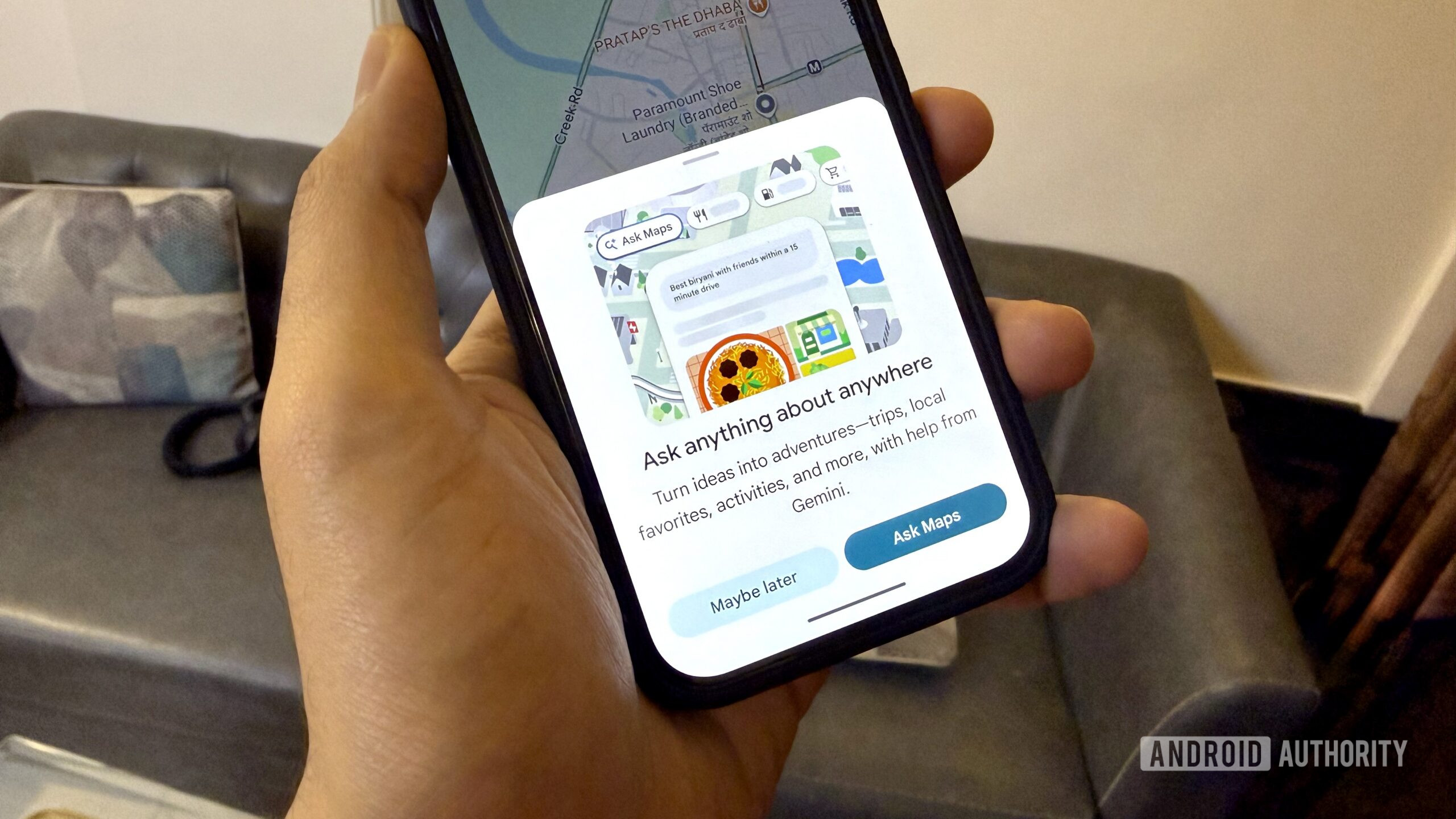
Google Maps’ new AI-powered chat tool, dubbed “Ask Maps,” is poised to revolutionize how users plan and experience their journeys. Leveraging the immense data repository of Google Maps and the advanced capabilities of Gemini, this feature moves beyond simple navigation to offer deeply personalized and context-aware itinerary planning. The author’s recent trip to Mumbai provided a fertile ground for testing the tool’s mettle, revealing several innovative strategies for maximizing its utility, from optimizing for effort over mere distance to understanding nuanced user preferences.
The Genesis of AI-Powered Itinerary Planning
The integration of artificial intelligence into Google Maps represents a significant evolution for the platform, which has long been a cornerstone of digital navigation. Traditionally, Maps has excelled at providing the shortest or fastest routes, relying on objective metrics like distance and estimated travel time. However, these metrics often fail to account for the subjective human experience of travel – factors such as traffic congestion, weather conditions, personal energy levels, and the desired pace of exploration.
The introduction of Ask Maps, powered by Gemini, aims to bridge this gap. This AI integration draws upon a vast dataset, including user reviews, real-time traffic information, historical crowd data, and even insights gleaned from street-level imagery. This comprehensive understanding allows Ask Maps to move beyond rote calculations and offer recommendations that are sensitive to a user’s explicit and implicit needs. The author’s experience in Mumbai, a city known for its challenging commutes and vibrant culinary scene, served as a practical proving ground for these advanced capabilities.
Optimizing for Effort, Not Just Distance
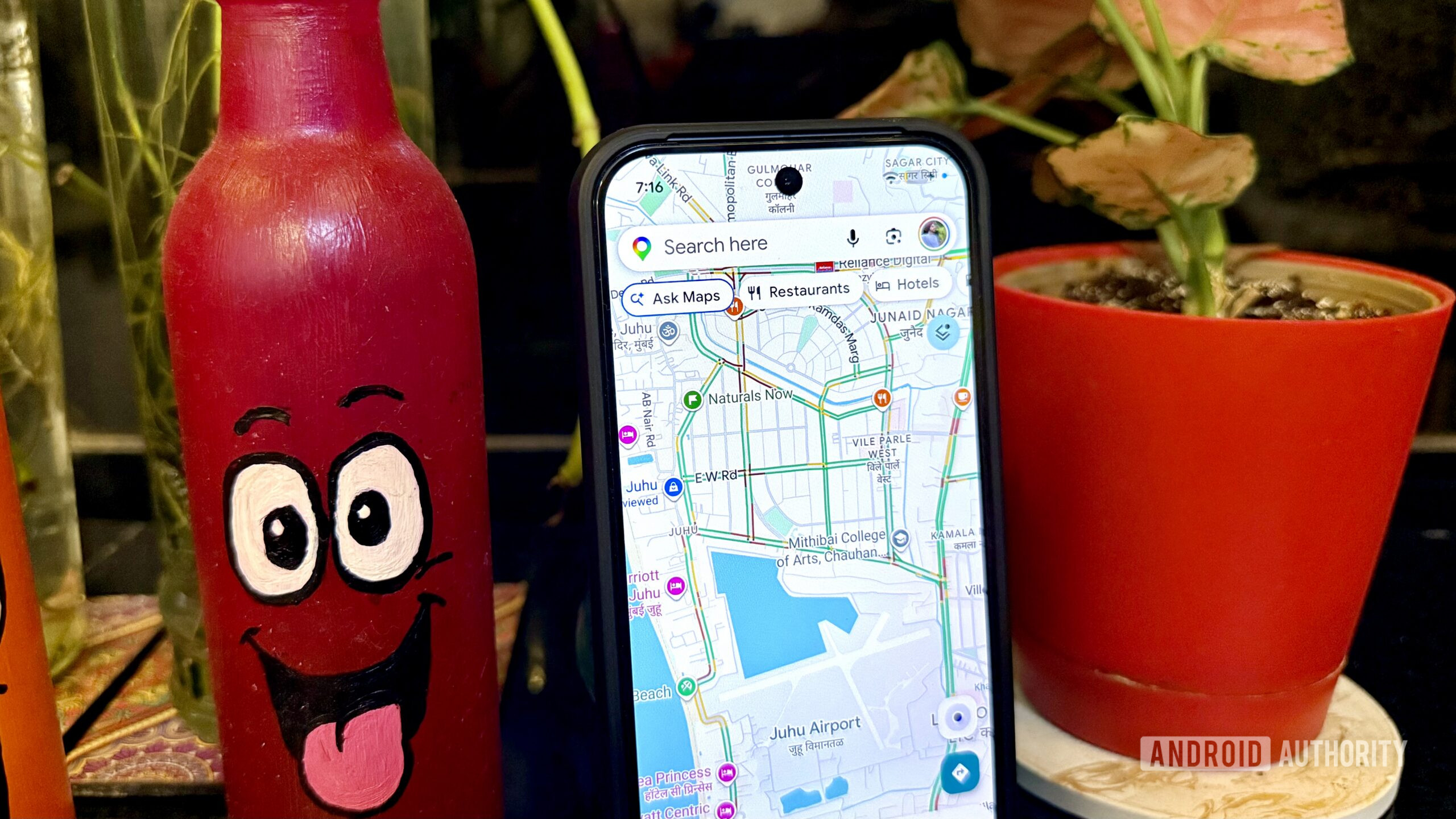
One of the most compelling advantages of Ask Maps lies in its ability to consider factors beyond pure geographical metrics. Unlike traditional routing, which prioritizes the quickest path, the AI can factor in the qualitative aspects of a journey. This means planning a day’s activities not just by how far apart they are, but by the effort involved in reaching them, the prevailing weather, or the user’s desired level of exertion.
For instance, a user planning a half-day excursion in a city like Udaipur during a hot season could request an itinerary that minimizes walking in the sun. Ask Maps could then suggest attractions that are geographically clustered or recommend specific modes of transport that offer respite from the heat. In the author’s case, a specific request was made to plan a leisurely evening at Marine Drive in Mumbai, extending late into the night, followed by a search for late-night eateries serving local dishes on the return journey. This demonstrated the AI’s capacity to align a travel plan with a desired temporal and experiential flow, rather than forcing the user to adapt to a rigid, distance-centric schedule.
This nuanced approach to planning signifies a shift from a purely utilitarian navigation tool to a personalized travel concierge. The AI’s ability to interpret and act upon qualitative requests transforms itinerary creation from a logistical puzzle into a more intuitive and enjoyable process.
Time-Shifting Popular Spots for Enhanced Experiences
Google Maps has long offered insights into the popularity of locations throughout the day, indicated by crowd levels. Ask Maps leverages this data more intelligently by allowing users to explicitly request avoidance of peak hours, particularly at sought-after destinations. This strategy is invaluable for navigating popular urban centers where long queues and limited reservation options can detract from the experience.
The author’s successful strategy of visiting a busy Mumbai cafe just before the rush hour, securing a table instantly, exemplifies this benefit. This proactive approach, guided by the AI’s understanding of crowd dynamics, contrasts with past manual efforts, such as coordinating a visit to the Taj Mahal, which often required significant personal effort and foresight.
By integrating crowd intelligence into itinerary generation, Ask Maps can curate more pleasant and efficient visits to popular attractions. This not only leads to a more enjoyable experience but also maximizes opportunities for photography and exploration without the frustration of long waits. The AI’s ability to preemptively address potential bottlenecks transforms a potential point of friction into a seamless part of the planned experience.
Demanding Justification for AI-Driven Recommendations
A key aspect of effectively utilizing Ask Maps is to actively engage with its recommendations by requesting justifications. As Ask Maps is essentially Gemini integrated with Google Maps data, it has access to a wealth of information from user reviews, street photography, and detailed business listings. This allows for highly specific queries, such as finding an old-school cafe in South Bombay that serves vegan meals and is conveniently located along a planned route.
When the AI presents a list of suggestions, prompting it to explain the rationale behind its choices forces it to perform a more rigorous comparative analysis. Instead of merely listing popular options, the AI must articulate why certain places were selected over others. This "interrogation mode" is crucial for filtering out generic or superficial recommendations and identifying genuinely unique and worthwhile locations. By pushing the AI to articulate its decision-making process, users can ensure they are receiving insightful suggestions tailored to their specific needs, rather than simply a compilation of widely recognized establishments. This process encourages the AI to work more diligently and provide a higher caliber of personalized recommendations.
Planning for Vibe Shifts Throughout the Day
Beyond specific cuisines or attractions, modern travelers often seek to curate their experiences based on desired moods or "vibes." Ask Maps can facilitate this by allowing users to structure their day around evolving atmospheric preferences. For example, a user might request a calm and slow start to the day, followed by a more energetic exploration of a local market, and concluding with a peaceful evening.
By providing the AI with such a structured framework, its suggestions can be precisely aligned with the user’s desired experiential arc. This approach moves away from a simple checklist of activities and towards a holistic, mood-driven itinerary. The author’s experience of planning a weekend day with distinct "vibe shifts" – a calm morning, a lively afternoon, and a serene evening – demonstrates how the AI can effectively translate abstract preferences into concrete, actionable recommendations. This collaborative process, involving a brief back-and-forth, ensures that the generated itinerary resonates deeply with the user’s immediate desires and the overall ambiance they wish to cultivate.
Leveraging User Regrets for Smarter Decisions
A particularly insightful strategy for using Ask Maps involves querying the AI about common user regrets associated with specific locations or activities. Google Maps’ vast repository of user reviews contains a wealth of qualitative feedback, including negative experiences and points of dissatisfaction. By tapping into this data, Ask Maps can provide users with a more balanced and realistic perspective on what to expect.
This approach shifts the focus from simply identifying positive aspects to understanding potential pitfalls. Information about inconvenient parking, unpleasant odors, or poor staff service, often buried in reviews, can be surfaced by the AI. This allows travelers to make informed decisions, avoiding places with known issues or understanding when an acceptable compromise can be made. For instance, a user might be willing to tolerate a warm morning walk but would prefer to avoid a location with a foul smell or rude staff.
By analyzing user regrets, Ask Maps effectively provides a form of balanced, critical assessment, akin to reading comprehensive three-star reviews on e-commerce platforms. This method offers a more authentic and reliable picture of what a destination or experience entails, empowering users to make choices that align with their priorities and preferences, thus avoiding potentially disappointing outcomes.
Broader Implications and Future Outlook
The evolution of Google Maps into an AI-powered travel planning assistant has profound implications for the future of personalized navigation and exploration. As AI models like Gemini become more sophisticated and integrated with vast datasets, we can anticipate even more intuitive and context-aware travel planning tools.
The ability of Ask Maps to understand and respond to nuanced requests, optimize for subjective factors, and provide justifications for its recommendations signifies a maturation of AI in consumer applications. This trend is likely to extend beyond travel, impacting various sectors where personalized recommendations and efficient planning are crucial.
The success of these strategies suggests a future where users can interact with digital platforms in a more conversational and collaborative manner, with AI acting as an intelligent partner in achieving desired outcomes. As the technology continues to develop, the line between simple navigation and comprehensive travel management will continue to blur, offering users unprecedented control and personalization in their journeys. The author’s concluding sentiment, that Ask Maps has become an indispensable tool, underscores the transformative potential of this AI integration. The continued development and adoption of such features will undoubtedly shape how individuals plan, experience, and remember their travels in the years to come.