Garick Elordi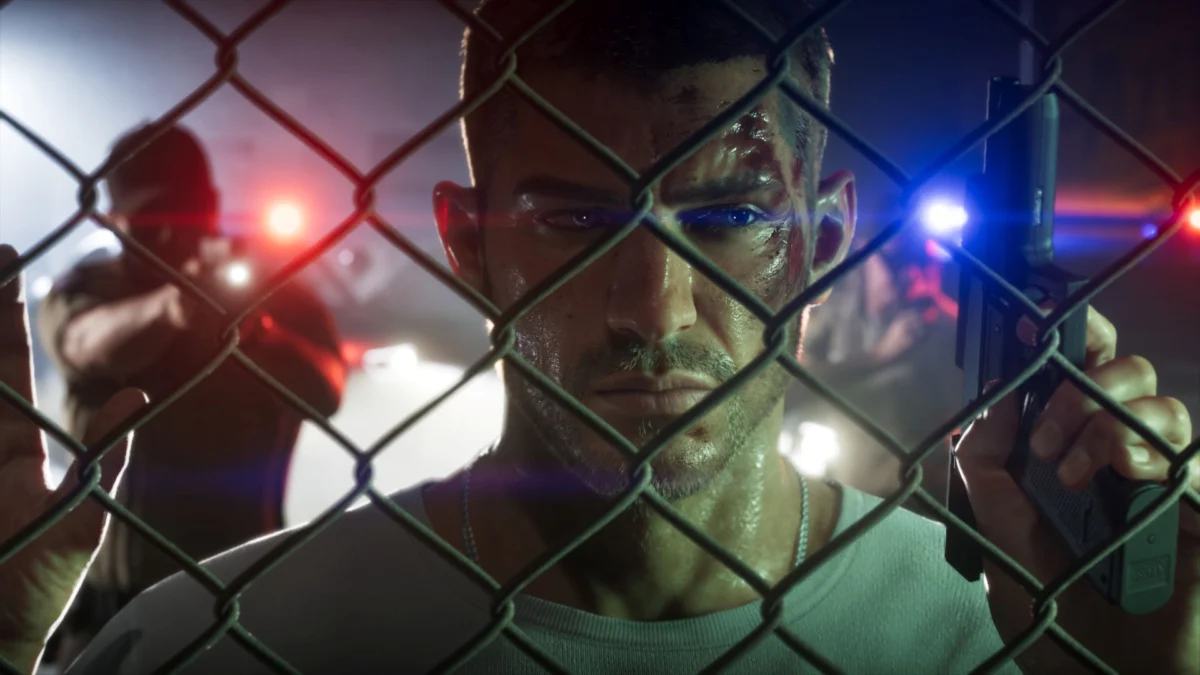
The landscape of user-generated content for the Grand Theft Auto and Red Dead Redemption franchises has undergone a seismic shift as Rockstar Games recently implemented a series of stringent new restrictions on its modding community. This move comes as the studio prepares for the eventual launch of Grand Theft Auto 6 (GTA 6), a title expected to be the most significant entertainment release of the decade. The updated guidelines, which were quietly revised and circulated through official channels this month, represent a definitive tightening of the "leash" on creative modifications, signaling a move toward a more controlled and corporate-governed ecosystem for one of the world’s most active gaming communities.
For decades, the Grand Theft Auto series has been synonymous with a "Wild West" modding culture, where players have introduced everything from photorealistic graphics overhauls to entirely new gameplay mechanics and crossovers with other popular media franchises. However, Rockstar’s latest policy update explicitly prohibits several categories of modifications that were previously considered staples of the community. The studio’s stated objective is to maintain a "fun, creative, and welcoming place," yet the legal framework provided suggests a priority on protecting internal intellectual property (IP) and streamlining the transition to official, company-monetized platforms.
A Comprehensive Breakdown of the New Restrictions
The updated Rockstar Games modding guidelines are categorized under a directive to "respect our games," a phrase that now carries significant legal weight for content creators. The primary pillar of these new rules is the total prohibition of modifications that "expand or modify Rockstar Games’ official storylines, plots, missions, characters, or other elements of our established continuity." This effectively bans "story mods" or fan-made expansions that seek to tell new tales within the worlds of Los Santos, Liberty City, or the American Frontier.
Furthermore, the studio has cracked down on cross-title asset integration. Modders are no longer permitted to combine maps, assets, or characters from different Rockstar titles. Under these rules, a modder cannot legally import the map of Red Dead Redemption 2 into the GTA 5 engine, nor can they bring characters like Arthur Morgan or John Marston into the neon-soaked streets of Vice City. This restriction extends to the porting of Rockstar titles to unauthorized hardware. The guidelines state that mods must not allow games to operate on consoles or platforms where they have not been officially released, a move likely aimed at preventing the proliferation of mobile or VR ports developed without the studio’s oversight.
Perhaps the most culturally significant change is the ban on third-party intellectual property. Rockstar’s guidelines now state: "Do not use protected elements of anyone else’s intellectual property in your mod, including art, characters, music, photos, games, advertisements, brands or logos, real-world locations, etc." In practical terms, this marks the end of an era where players could drive real-world Ferraris or Lamborghinis through the streets of San Andreas or play as pop-culture icons like Shrek or Iron Man. By enforcing these rules, Rockstar is shielding itself from potential secondary infringement liability while ensuring that the visual identity of their games remains strictly within their control.
Chronology of Rockstar’s Evolving Relationship with Modders
The relationship between Rockstar Games, its parent company Take-Two Interactive, and the modding community has been fraught with tension and strategic pivots for nearly twenty years. Understanding the current restrictions requires a look at the historical timeline that led to this moment:
- 2005: The Hot Coffee Incident: Rockstar faced a massive legal and PR crisis when a modder uncovered a hidden, inaccessible minigame in Grand Theft Auto: San Andreas. This resulted in the game being re-rated to "Adults Only" and cost the company millions in settlements and recalls. This event is often cited as the origin of Rockstar’s cautious approach to user-accessible game files.
- 2015: GTA V and the Rise of FiveM: Following the release of GTA 5 on PC, the "FiveM" modding client emerged, allowing players to create custom multiplayer servers. Initially, Rockstar and Take-Two were hostile toward the project, viewing it as a threat to the official GTA Online ecosystem.
- 2017: The OpenIV Controversy: Take-Two Interactive sent a cease-and-desist letter to the developers of OpenIV, a popular modding tool. The move sparked a massive backlash, including tens of thousands of negative Steam reviews, eventually forcing Rockstar to intervene and clarify that they generally support "fair use" mods that are single-player and non-commercial.
- 2021: Pre-Definitive Edition Takedowns: Ahead of the release of Grand Theft Auto: The Trilogy – The Definitive Edition, Take-Two issued DMCA takedowns for several classic mods that improved the graphics and stability of the original games, signaling a zero-tolerance policy for fan projects that competed with official products.
- 2023: The Acquisition of Cfx.re: In a surprising reversal of years of hostility, Rockstar Games officially acquired Cfx.re, the team behind FiveM and RedM. This marked a shift from external suppression to internal integration, as Rockstar sought to bring the massive Roleplay (RP) community under its corporate umbrella.
- 2024: New Guidelines and Official RP Servers: Rockstar officially announced its own closed beta for GTA Online RP servers, coinciding with the release of the updated modding guidelines that restrict third-party IP and independent multiplayer platforms.
Supporting Data and the Economic Value of Modding
The move to tighten modding restrictions is not merely a legal preference but a calculated economic strategy. Data from Twitch and other streaming platforms highlights the immense value of the modding scene. Grand Theft Auto V has consistently remained in the top five most-watched games on Twitch since 2019, largely driven by "NoPixel" and other Roleplay servers. During peak periods, GTA RP accounts for over 70% of the total viewership for the franchise.
By restricting modding to "Rockstar Games’ official licensed Creator Platform," the studio is positioning itself to capture the economic value currently flowing through third-party donations and Patreon accounts. Industry analysts estimate that the GTA RP ecosystem involves millions of dollars in indirect revenue through hardware sales, subscriptions, and private server donations. Rockstar’s acquisition of the tools used to build these servers allows them to implement official monetization strategies—such as "Creator Storefronts"—that could generate significant recurring revenue for GTA 6.
Furthermore, the ban on real-world brands and logos is a defensive maneuver against licensing complications. As Rockstar moves toward a more integrated digital world in GTA 6, the presence of unauthorized real-world brands (like Nike or Coca-Cola) in fan-made mods could complicate official brand partnerships that Rockstar might be negotiating for the game’s official world.
Official Responses and Community Reaction
While Rockstar Games has not issued a separate press release specifically regarding the "tightness" of these rules, their updated community resource page serves as the official word. The studio maintains that these rules are necessary to prevent "abuse, bullying, threats, or harassment," and to ensure that the gaming environment remains safe for all users. They have also emphasized that monetization of mods is strictly prohibited unless it occurs through their official Creator Platform, a move that has drawn mixed reactions from the community.
Prominent modders have expressed concern that these rules will stifle the creativity that has kept GTA 5 relevant for over a decade. "The magic of GTA modding was that you could do anything," noted one long-time contributor to the GTA5-Mods community. "If we can’t touch the story, can’t use real-world references, and can’t port assets, the mods for GTA 6 will feel more like official DLC than true community creations."
Conversely, some creators who have been absorbed into the Rockstar ecosystem via the Cfx.re acquisition view this as a necessary professionalization of the scene. They argue that official support will provide better tools and stability, even if it comes at the cost of some creative liberties.
Broader Impact and Implications for GTA 6
The timing of these restrictions is critical. With GTA 6 expected to launch in 2025 (and a potential PC release following a year or more later), Rockstar is setting the ground rules early. The implications for the future of the franchise are profound:
- The End of the "Crossover" Era: The visual landscape of GTA 6 on PC will likely be much more "pure" to the Rockstar vision. The days of seeing Batman flying over Vice City or driving a real-world Ford Mustang are likely over, as Rockstar enforces strict IP adherence.
- Monetized Modding: By funneling all multiplayer modding through an official platform, Rockstar is essentially creating a "Mod Store," similar to Bethesda’s Creation Club. This will allow the studio to take a percentage of all transactions involving user-generated content.
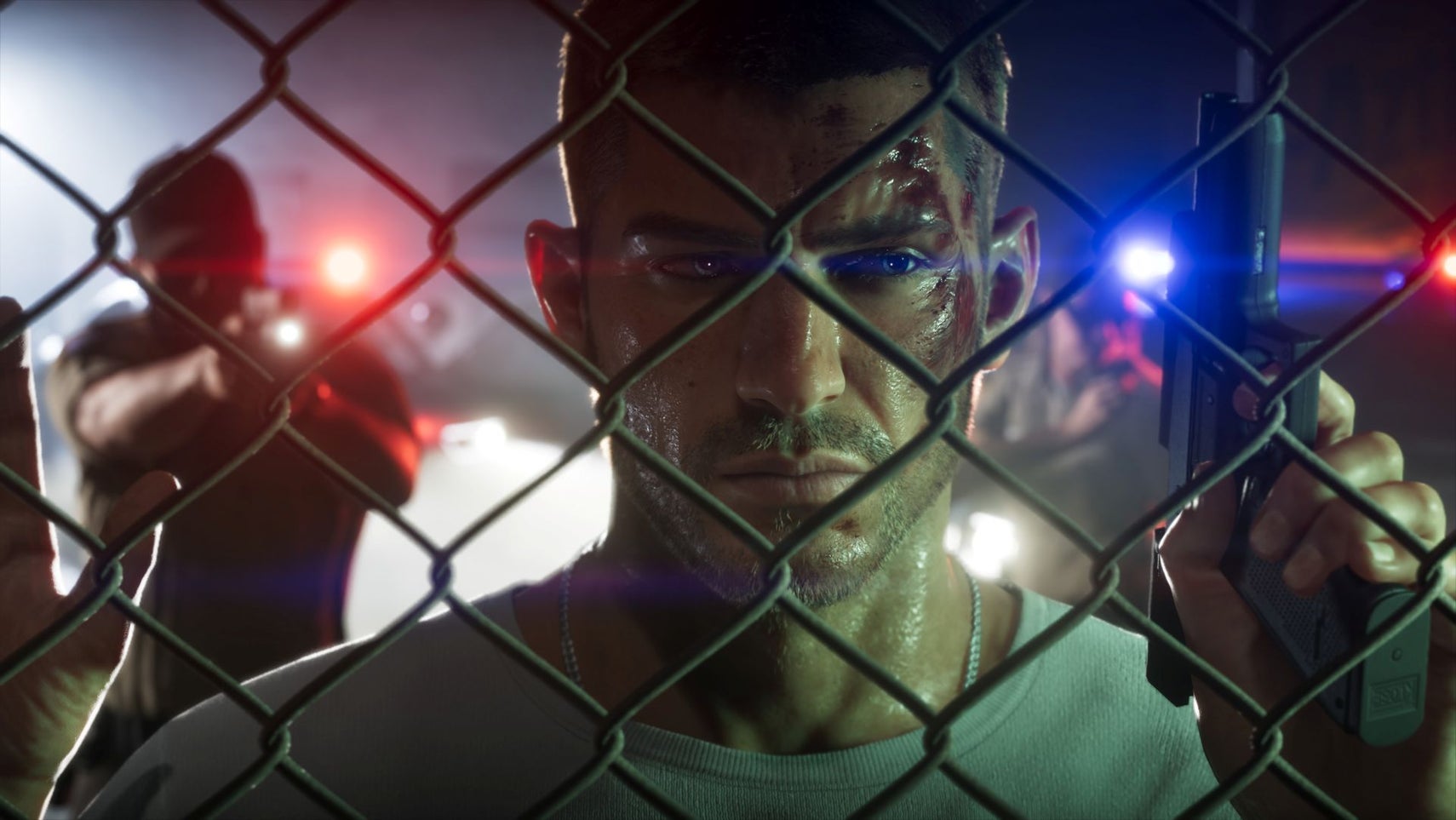
- Narrative Integrity: By forbidding modifications to storylines and characters, Rockstar is protecting its narrative brand. This ensures that the "canon" of Jason and Lucia (the protagonists of GTA 6) is not diluted by fan-made sequels or alternate endings that could confuse the brand identity.
- Hardware and Platform Control: The restriction against unauthorized hardware ports suggests that Rockstar is wary of the burgeoning handheld PC market (Steam Deck, ROG Ally) and mobile emulation. They intend to control exactly where and how their games are played.
As the industry moves further into the "Games as a Service" (GaaS) model, Rockstar’s new guidelines represent a blueprint for how major publishers intend to manage their communities. While the restrictions are undeniably tight, they reflect a broader trend of corporations reclaiming the digital spaces their fans have inhabited for years. For the modding community, the message is clear: creativity is encouraged, but only within the walls of the garden Rockstar has built.