Metty Iskandar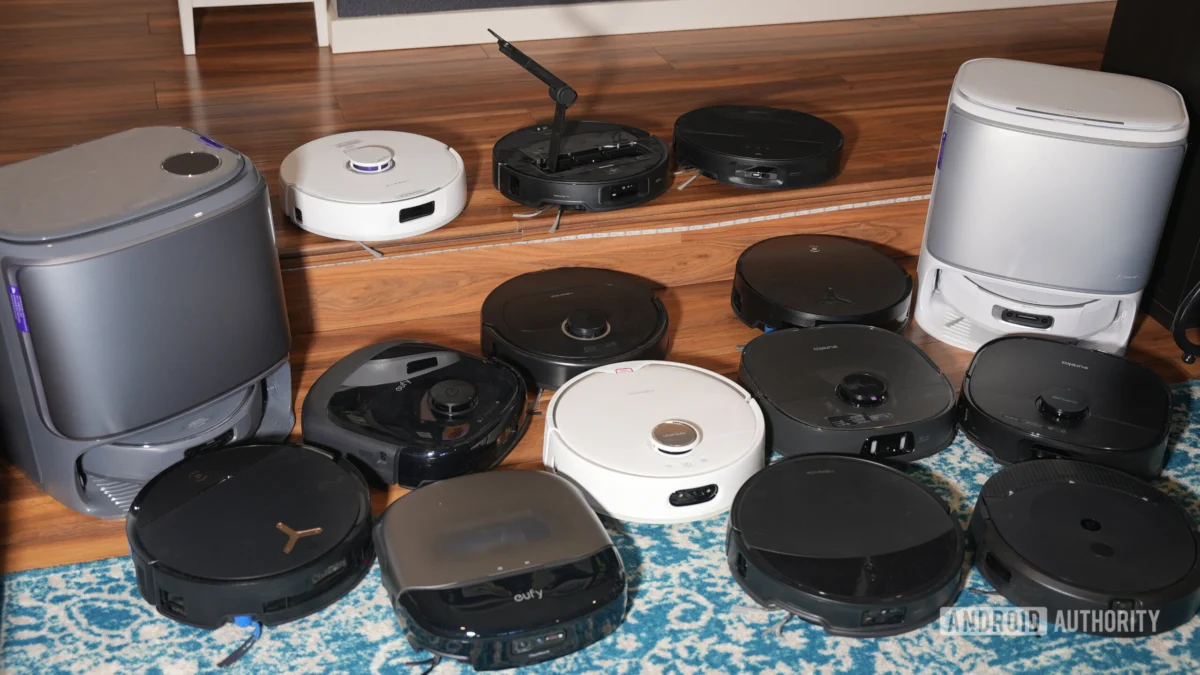
The United States Federal Communications Commission (FCC) has implemented a sweeping ban on certain "advanced robotic devices" manufactured by companies that are not compliant with U.S. security standards, a move that has unexpectedly extended to include popular smart home appliances like robotic vacuums. This regulatory action, initially framed around more complex autonomous systems, has now confirmed its reach into a segment of the consumer electronics market that has seen significant growth and widespread adoption in American households. The ban, announced earlier this week, targets devices that pose potential national security risks, a concern that the FCC argues extends beyond sophisticated humanoid or quadruped robots to encompass any "advanced robotic device" that transmits or receives radio frequency signals.
Background: A Tightening Grip on Chinese Tech
This latest regulatory action is not an isolated event but rather a continuation of a broader trend by the current U.S. administration to scrutinize and, in many cases, restrict the import and use of technology originating from China. This policy has manifested in various forms, including significant tariffs on a wide range of goods, impacting global trade and supply chains. More specifically, the focus has increasingly shifted towards digital security and the potential for foreign governments or entities to access sensitive data or exert influence through technological means. Previous actions have included bans on specific telecommunications equipment, such as those from Huawei and ZTE, and investigations into other Chinese technology firms deemed to pose a national security threat. The FCC’s involvement in this instance underscores the perceived risk associated with interconnected devices, especially those equipped with sensors, cameras, and internet connectivity, which are increasingly common in modern homes.
The FCC’s authority to regulate devices that emit radio frequencies is a crucial aspect of this ban. By requiring that these "advanced robotic devices" meet specific security and communication standards, the Commission aims to prevent potential vulnerabilities that could be exploited. The decision to include robotic vacuums, often perceived as relatively benign household appliances, highlights a shift in how the government views the potential threat landscape of consumer electronics. The presence of cameras and mapping capabilities in many modern robot vacuums, coupled with their ability to connect to home Wi-Fi networks, presents a potential vector for data collection or even remote control, concerns that have been amplified by previous cybersecurity incidents.
The FCC’s Announcement and Expansion of Scope
The initial announcement from the FCC focused on categories such as humanoid and quadruped robots, along with power inverters. These classifications suggest a primary concern with devices that exhibit a higher degree of autonomy and physical mobility, raising potential implications for military or industrial applications. However, the FCC’s subsequent clarification to The Verge has significantly broadened the scope of this ban. The agency confirmed that the prohibition is not limited to robots with articulated legs but extends to a wider array of "advanced robotic devices," a definition that, in practice, now includes robotic vacuums.
This expansion is particularly noteworthy given the market penetration of robot vacuums. These devices, manufactured by a multitude of companies, many of which are based in China, have become a staple in millions of American homes, offering convenience and automated cleaning solutions. The FCC’s decision to include them in the ban suggests a re-evaluation of the security implications associated with these increasingly sophisticated appliances. The rationale appears to be rooted in the devices’ ability to collect data about a user’s home environment, transmit that data wirelessly, and potentially be compromised by malicious actors.
A Timeline of Evolving Concerns
The concerns leading to this ban have been building over several years. Reports of cybersecurity vulnerabilities in smart home devices have become increasingly frequent, prompting regulatory bodies to take notice.
- Early 2020s: Reports began to emerge detailing instances where robot vacuums, such as ECOVACS Deebot models, were susceptible to hacking. These incidents demonstrated that unauthorized individuals could potentially gain control of the devices, access their cameras, and compromise the privacy of homeowners.
- Mid-2020s: Further investigations uncovered significant security flaws in other popular brands, including DJI robot vacuums. These findings underscored the persistent nature of these vulnerabilities and the need for more robust security measures.
- Recent Months: The FCC has been actively reviewing its regulations concerning foreign-made technology, particularly in light of ongoing geopolitical tensions and the increasing reliance on connected devices within critical infrastructure and everyday life. Discussions surrounding the security of "Internet of Things" (IoT) devices have intensified.
- Present: The FCC formally announced the ban on "advanced robotic devices" from non-compliant manufacturers. Crucially, the agency has since clarified that this ban extends to robotic vacuums, signaling a significant shift in regulatory oversight for this product category.
This chronological progression illustrates a gradual but determined move by regulatory bodies to address perceived security risks associated with a growing range of electronic devices. The inclusion of robot vacuums represents a significant escalation in this effort, moving beyond traditional telecommunications equipment to encompass consumer-facing smart home technology.
Supporting Data and Market Context
The U.S. market for robotic vacuums is substantial and has experienced consistent growth. According to market research reports, the global robot vacuum cleaner market was valued at approximately USD 5.8 billion in 2022 and is projected to grow at a compound annual growth rate (CAGR) of around 13.4% from 2023 to 2030. A significant portion of this market share is held by companies based in China, including prominent brands such as Roborock, Ecovacs, and Eufy (a subsidiary of Anker).
These devices are equipped with increasingly advanced features, including:
- Lidar and Camera Navigation: Enabling precise mapping of home layouts for efficient cleaning and obstacle avoidance.
- Wi-Fi Connectivity: Allowing for remote control via smartphone apps, scheduling, and integration with smart home ecosystems like Amazon Alexa and Google Assistant.
- Self-Emptying and Self-Washing Stations: Enhancing convenience and reducing user intervention.
- Voice Control and AI Features: Providing a more interactive and personalized user experience.
The widespread adoption of these features means that many of these devices are essentially mobile data collection units within homes. The FCC’s concern stems from the potential for this data to be intercepted or misused, particularly if the underlying software and hardware do not meet stringent security protocols. The ban, therefore, is not merely about the physical presence of robots but about the data they collect, process, and transmit.
Analysis of Implications and Potential Ramifications
The FCC’s decision to include robotic vacuums in its ban carries significant implications for consumers, manufacturers, and the broader smart home market.
For Consumers:
The most immediate impact for consumers is the potential unavailability of new models from banned manufacturers. While existing devices are not subject to recall, consumers looking to purchase new robotic vacuums will need to be aware of the origin and compliance status of the products they consider. This could lead to a more limited selection of advanced features or force consumers to opt for models from non-Chinese manufacturers, which may come at a higher price point. The ban could also spur increased consumer awareness regarding the security features of smart home devices.
For Manufacturers:
Companies that have relied heavily on the U.S. market, particularly those based in China, face significant challenges. They will need to either:
- Obtain FCC Certification: Manufacturers can seek certification from the FCC by demonstrating that their devices meet the required security and communication standards. This process can be costly and time-consuming, and it is not guaranteed that all companies will be successful.
- Rethink Market Strategy: Companies may be forced to reduce their presence in the U.S. market or explore alternative manufacturing locations to comply with regulations.
- Invest in Enhanced Security: The ban will undoubtedly incentivize manufacturers to prioritize cybersecurity in their product development cycles, potentially leading to more secure devices in the long run.
For the Smart Home Market:
The ban could lead to a significant reshuffling of the smart home appliance market. U.S.-based or compliant manufacturers could see increased demand, potentially leading to market consolidation or the emergence of new players. The focus on security could also drive innovation in the development of more robust and transparent security protocols for all smart home devices. However, there is also a risk of reducing consumer choice and potentially slowing down the adoption of smart home technology if compliant and affordable alternatives are not readily available.
The ban highlights a critical juncture in the evolution of consumer electronics, where convenience and advanced features must be balanced with robust security measures. As the U.S. government continues to exert pressure on the technological supply chain, the implications for global trade and innovation will likely continue to unfold.
Official Responses and Industry Reactions (Inferred)
While official statements from specific companies directly impacted by the ban have not yet been widely published, it is reasonable to infer a range of reactions from the industry. Companies like Roborock, a prominent manufacturer of robotic vacuums with a significant presence in the U.S., are likely engaged in urgent assessments of their product lines and compliance strategies. Their response would typically involve:
- Internal Review: A thorough examination of their product architecture, software, and data handling practices to identify areas that may not meet FCC requirements.
- Legal and Technical Consultation: Engaging with legal experts and cybersecurity professionals to navigate the regulatory landscape and understand the certification process.
- Communication with Stakeholders: Preparing statements for consumers, retailers, and investors regarding the potential impact of the ban.
Industry associations representing consumer electronics manufacturers are also expected to issue statements. These might express concerns about the broadness of the ban, the potential economic impact on U.S. consumers and businesses, and a call for clear, consistent, and technically feasible security standards. They may advocate for a more phased approach or provide resources to help manufacturers achieve compliance.
The U.S. technology sector more broadly might view this as a positive step towards ensuring national security and fostering a more secure technological ecosystem. However, there may also be concerns about the potential for retaliatory measures from other countries or the impact on the availability and affordability of smart home devices for consumers.
Looking Ahead: The Future of Smart Home Security
The FCC’s ban on Chinese "advanced robotic devices," now explicitly including robot vacuums, signifies a critical development in the ongoing debate surrounding technological security and international trade. It underscores a government-wide commitment to addressing potential vulnerabilities in the digital infrastructure that underpins modern life. For consumers, this means a heightened awareness of the origin and security credentials of their smart home devices. For manufacturers, it presents both challenges and opportunities to innovate and adapt to a more stringent regulatory environment. The long-term implications of this ban will likely shape the future of smart home technology, pushing for greater transparency, robust security protocols, and a more secure connected future for all. The industry now faces the imperative to balance the convenience of automation with the paramount need for digital safety and privacy.