Sisilia Frederika
- Space & Futurism
- August 22, 2026
- 57 views
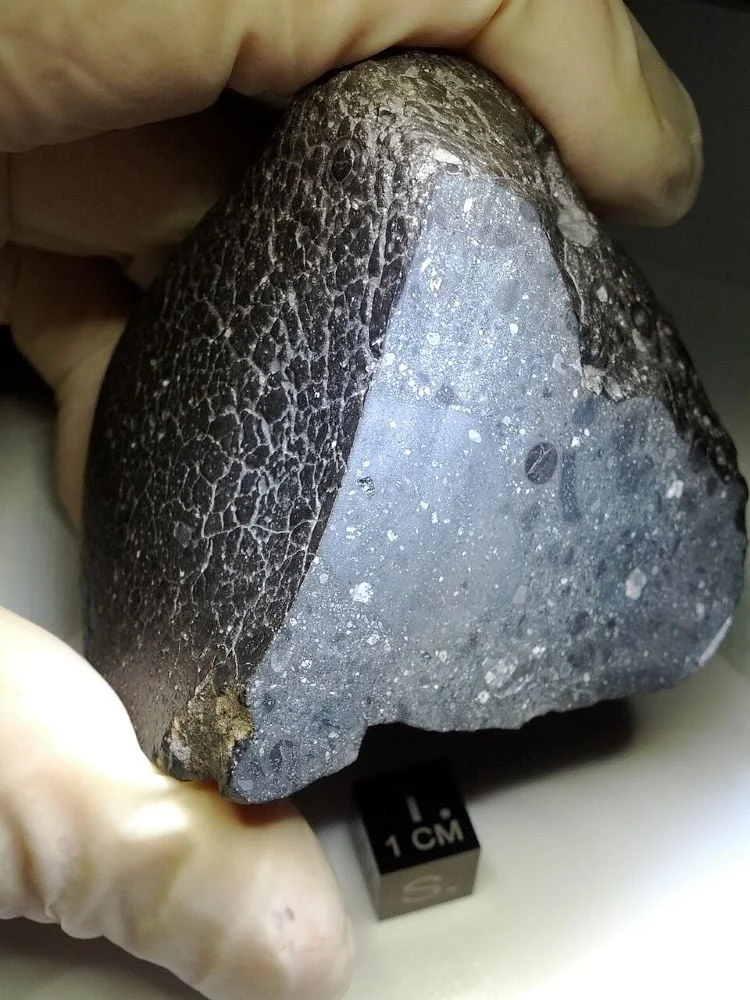
Decoding the Deep Past: How the Black Beauty Meteorite Reveals Ancient Mars’ Vast Water Reservoirs
The narrative of Mars as a barren, frozen desert has been fundamentally challenged by a new analysis of one of the rarest objects on Earth: a 4.5-billion-year-old piece of the…
- Space & Futurism
- August 22, 2026
- 73 views
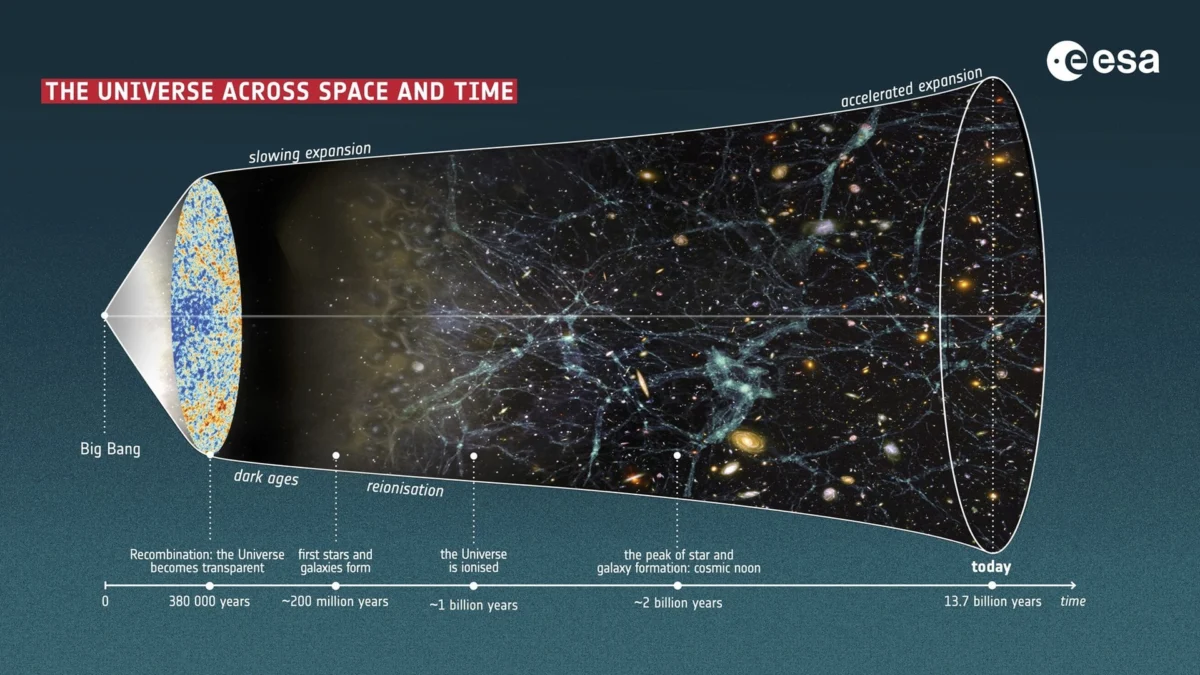
CosmoCube Mission to the Moon’s Far Side Aims to Eavesdrop on the Early Universe and Uncover the Secrets of the Cosmic Dark Ages
As the international community enters a new era of lunar exploration, the focus of space agencies is shifting from mere visitation to the establishment of a sustained human presence. While…
- Space & Futurism
- August 21, 2026
- 79 views
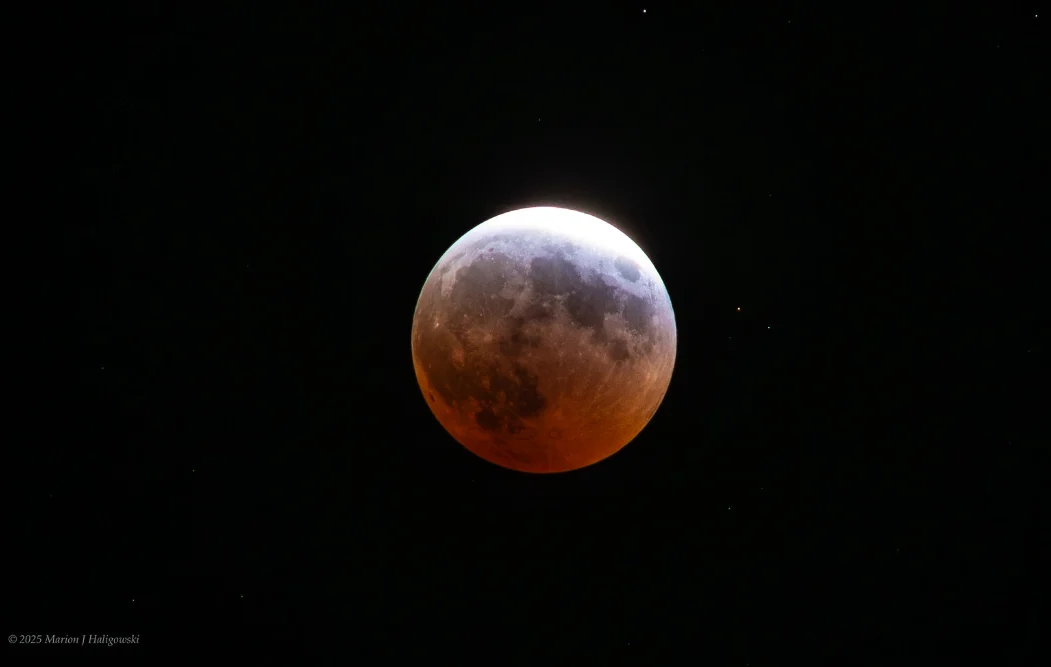
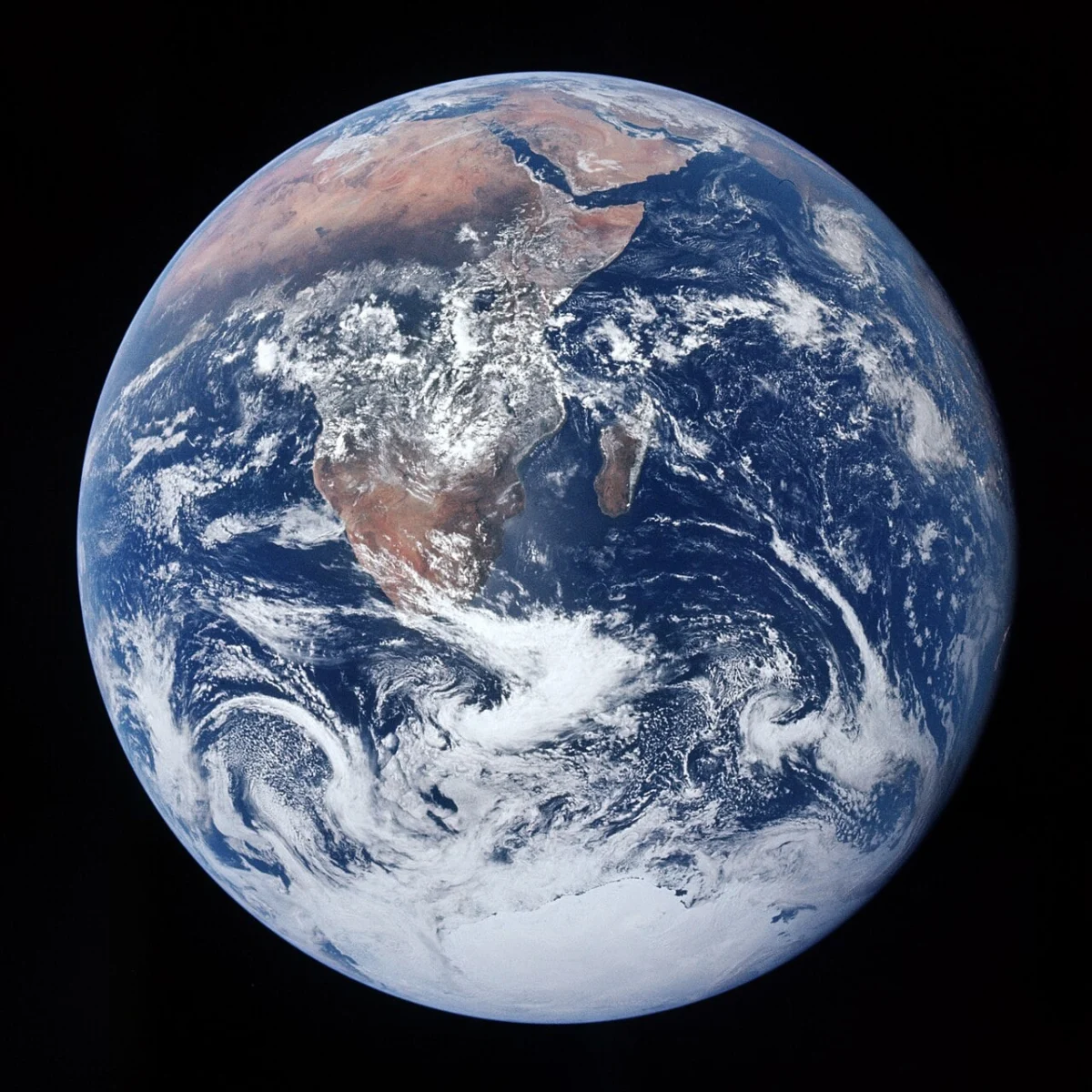
The Americas to Witness Near Total Lunar Eclipse as 2026 Eclipse Season Reaches Its Dramatic Conclusion
The celestial calendar of 2026 is set to conclude with a remarkable display of orbital mechanics as a deep partial lunar eclipse takes center stage on the night of August…
- Space & Futurism
- August 21, 2026
- 80 views
New Planetary Formation Models Suggest Earth-Like Worlds May Be a Natural Outcome of Stellar Evolution
The quest to understand the precise mechanisms that birthed our solar system has taken a significant leap forward following the presentation of groundbreaking research at the Origins 2026 conference in…
- Space & Futurism
- August 21, 2026
- 80 views
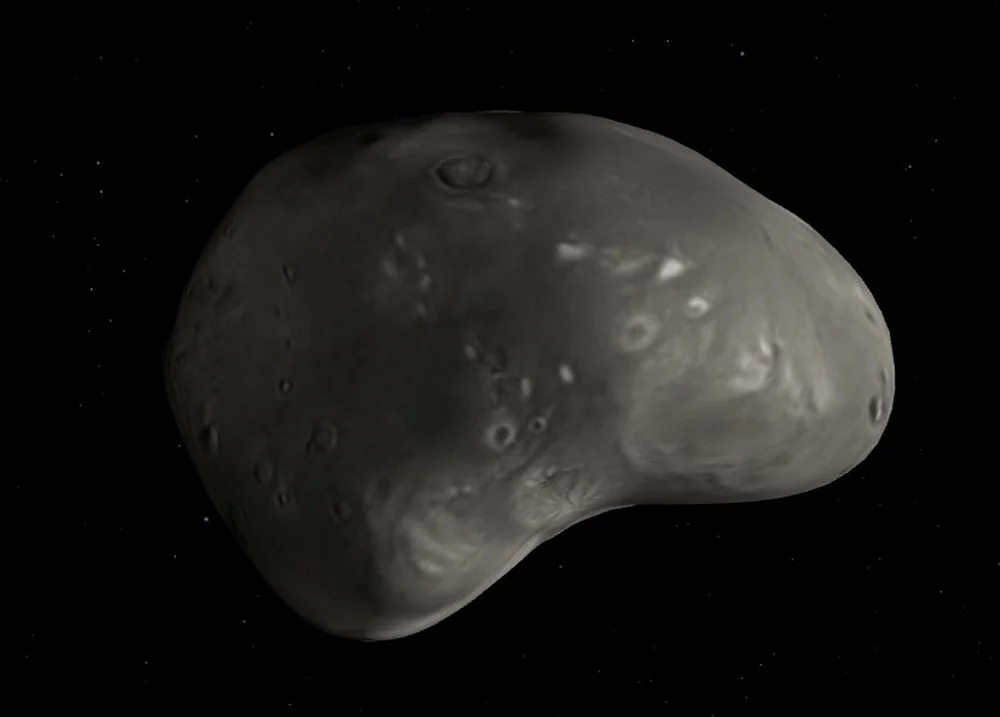
Subcatastrophic Impact Explains the Geologic Evolution and Smooth Surface of Mars’ Moon Deimos
The Martian moon Deimos has long presented a geological paradox to planetary scientists, appearing remarkably smooth and dust-covered in stark contrast to its heavily cratered and scarred sibling, Phobos. However,…
- Space & Futurism
- August 21, 2026
- 100 views
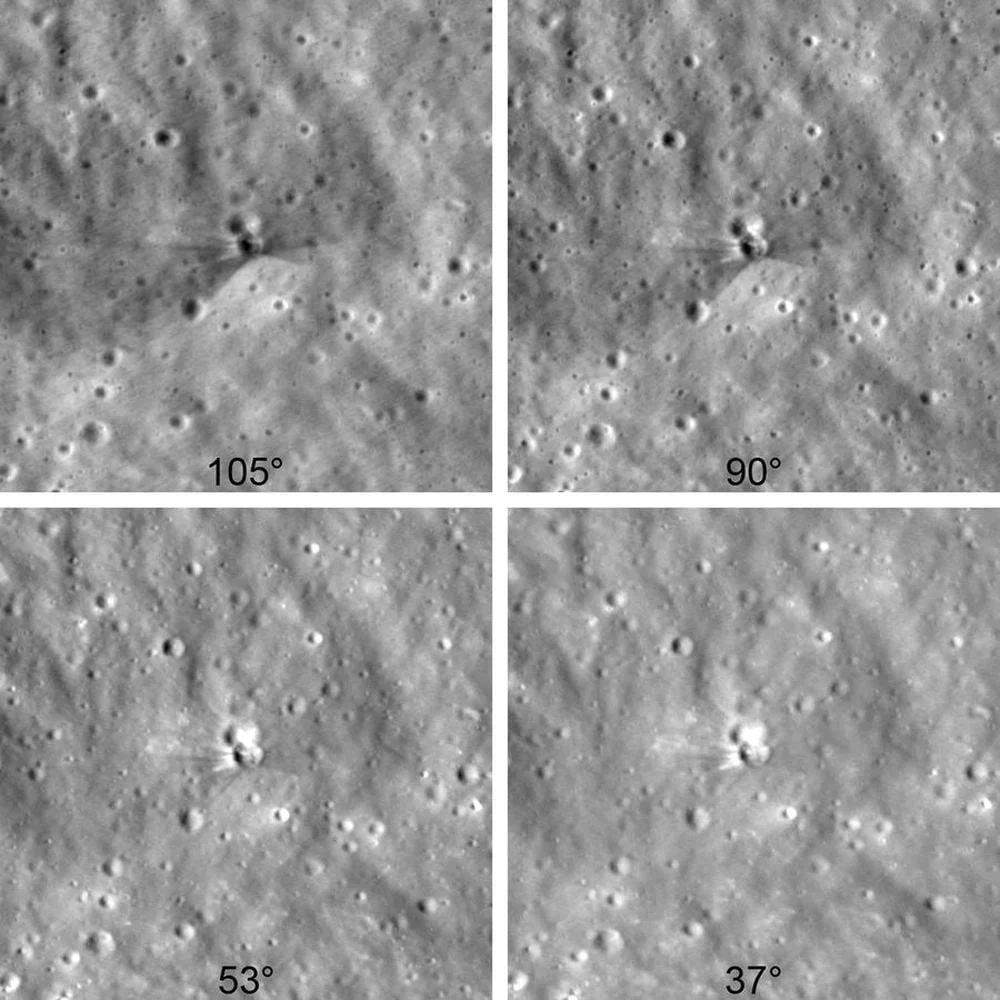
SpaceX Falcon Upper Stage Impacts Lunar Surface Creating New Crater Near Einstein Crater
The lunar landscape, a silent witness to billions of years of cosmic bombardment, has recorded a new entry in its geological history following the high-velocity impact of a man-made object.…
- Space & Futurism
- August 20, 2026
- 69 views
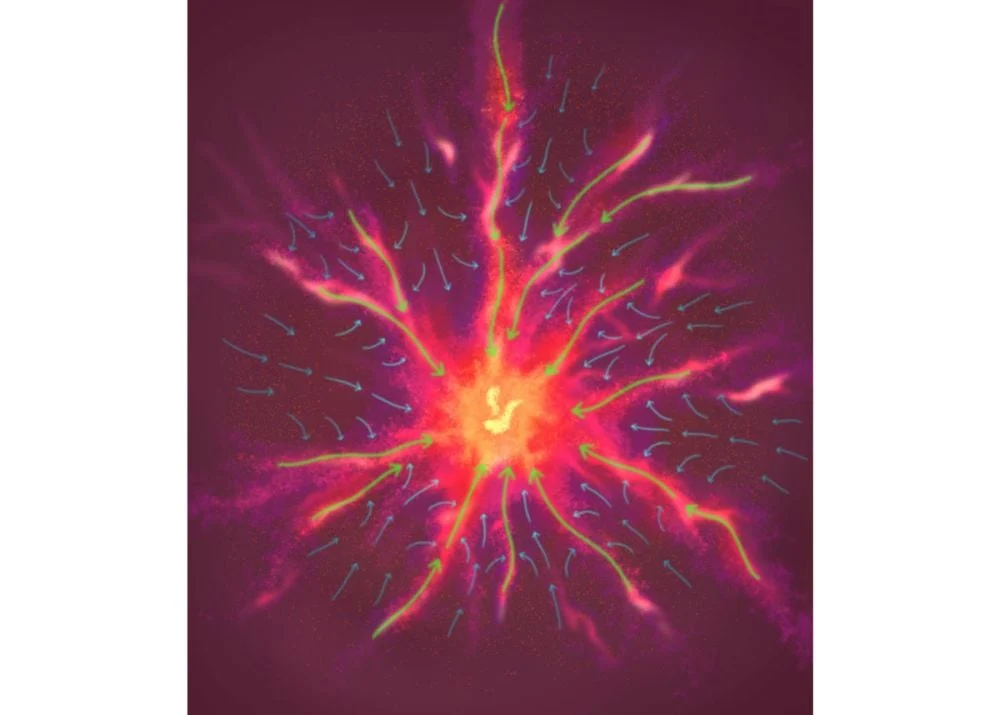
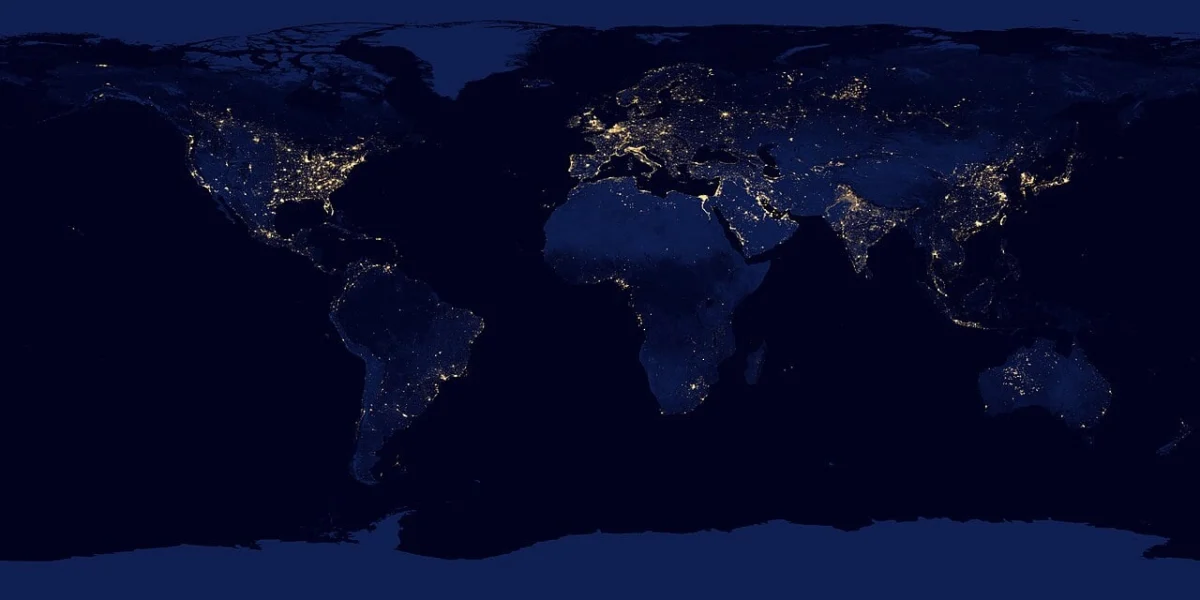
From Interfilamentary Gas to Filaments and Hubs: Gas Flows in the Monoceros R2 Hub–Filament System
The mechanisms governing the birth of stars represent one of the most fundamental inquiries in modern astrophysics, as stars serve as the primary engines of cosmic evolution. Beyond their role…
- Space & Futurism
- August 20, 2026
- 83 views
Beyond Biosignatures: How the Habitable Worlds Observatory Could Detect Alien Industrial Activity Through Atmospheric Technosignatures
The search for life beyond Earth has traditionally focused on the hunt for "biosignatures"—chemical markers like oxygen, methane, and ozone that suggest the presence of biological processes. However, as astronomical…
- Space & Futurism
- August 20, 2026
- 87 views
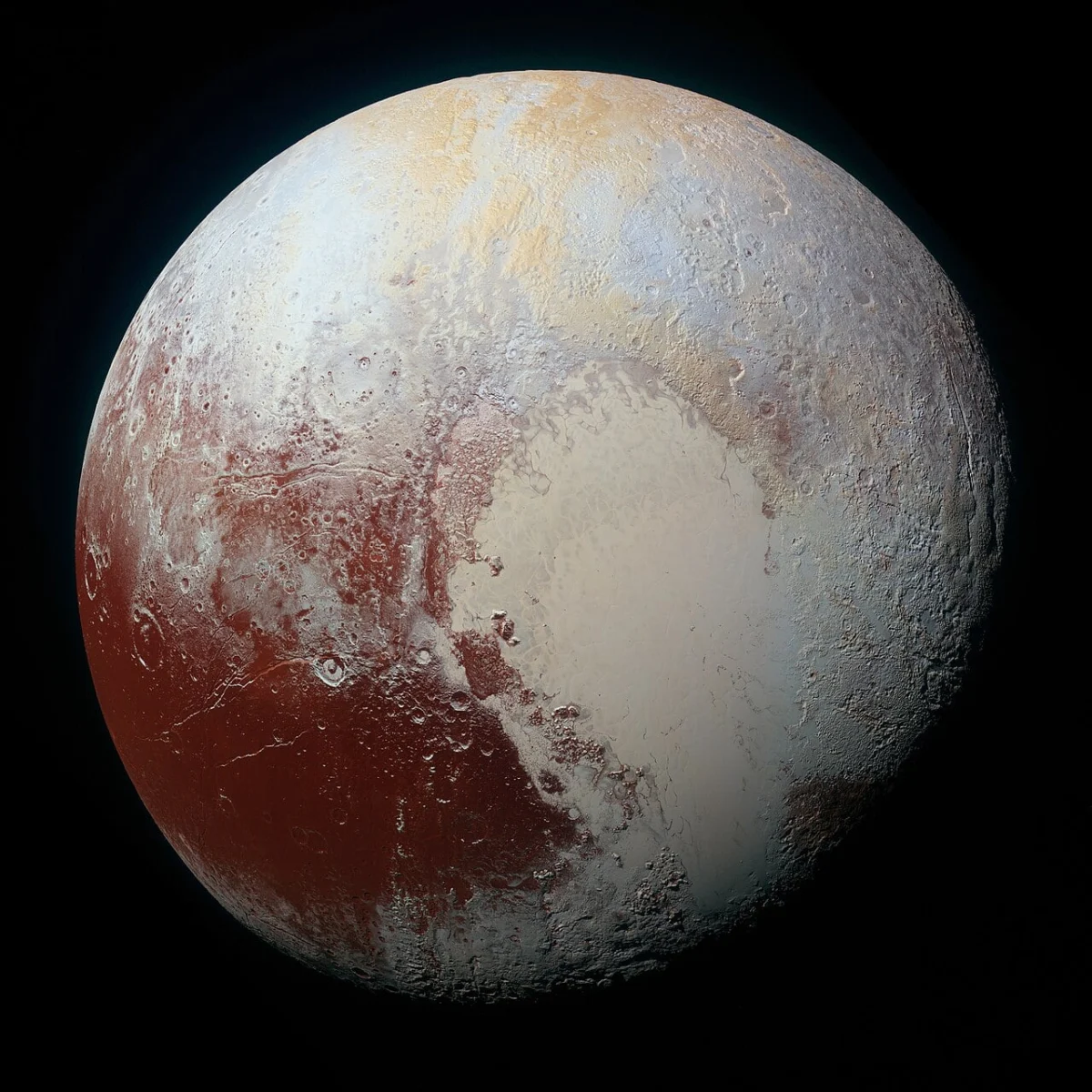
Pluto’s Frozen Heart Reveals Liquid Secrets: New Evidence of Nitrogen Upwelling on Sputnik Planitia
The dwarf planet Pluto, once thought to be a geologically dormant relic at the edge of our solar system, continues to challenge fundamental assumptions about the behavior of matter in…
- Space & Futurism
- August 20, 2026
- 90 views
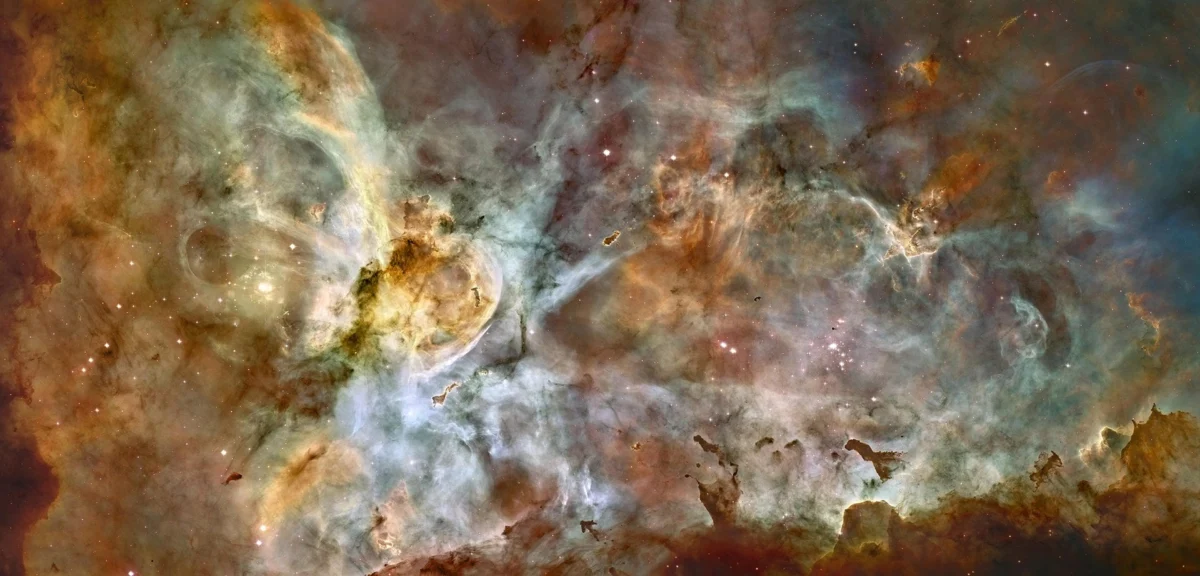
James Webb Space Telescope Reveals the Treasure Chest of Stars Within the Carina Nebula
The James Webb Space Telescope (JWST) has once again captured the attention of the global scientific community by releasing a high-definition infrared glimpse into the heart of the Carina Nebula,…